
WELCOME TO APRON BELLY
Apron Belly: Understanding How to Manage It
Learn why it happens and how you can manage it safely.
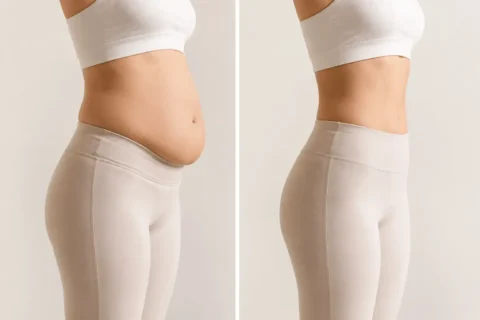
Know the Cause
This typically occurs after significant weight loss or when the abdominal skin stretches out during pregnancy. Additionally, certain surgical procedures can weaken the lower belly muscles, causing the tissue to fold over.
Realistic Solutions
Low-impact exercises like walking or swimming can help tone and tighten a hanging tummy. For daily management, maintaining a healthy diet and proper water intake keeps the skin supple, while wearing supportive underwear can significantly improve your comfort.
Safe Management
To prevent rashes, it is essential to keep the skin under the belly fold clean and dry by rinsing the area daily with a mild soap and patting it thoroughly dry. Additionally, you should avoid any strenuous activity that is likely to trigger lower back pain.
ABOUT APRON BELLY
What is Apron Belly? (Basics)
- Caused by loose skin and subcutaneous fat
- Common after pregnancy or weight loss
- Can be small or large depending on the body
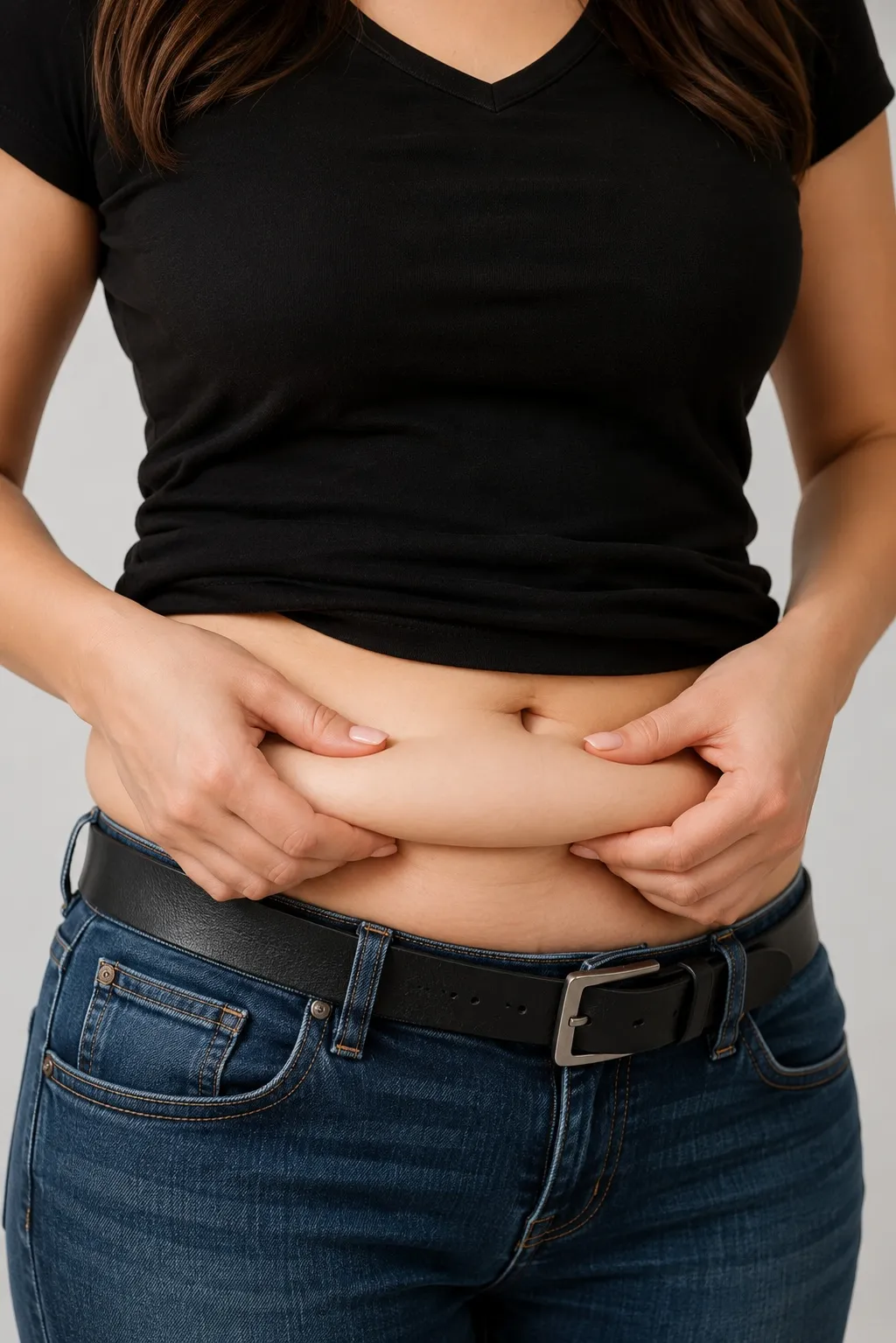
Common Causes
Post-pregnancy Changes
Skin and abdominal muscles can stretch during pregnancy, leading to loose or hanging skin.
C-section Changes
Scar tissue and skin above the incision may settle or fold differently.
Major Weight Loss
Skin may not tighten as quickly after a large amount of fat is lost.
Genetics & Hormonal Changes
Natural skin elasticity and hormonal changes can contribute to an protruding lower abdomen.
If your main concern is whether the Pannus abdominis can be reduced through these causes, our guides on whether Hanging belly fat can be reduced and how to reduce an apron belly walk through realistic options, both surgical and non-surgical.
Managing Your Apron Belly Day to Day
Comfortable daily life with Hanging belly fat usually comes down to three things: what you wear, how you move, and how you care for the skin fold itself. Moreover, getting dressed shouldn’t feel like a daily battle. A few adjustments make a real difference:
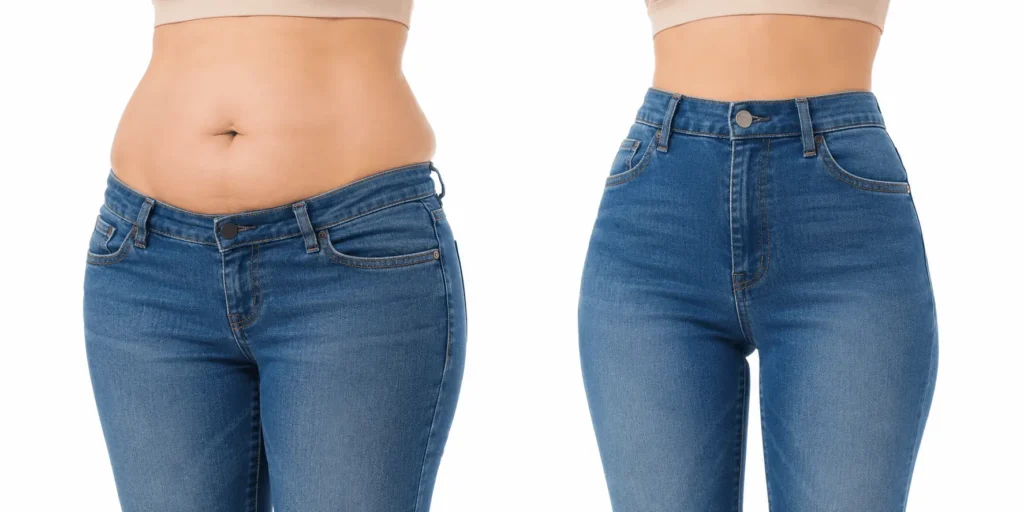
High-waisted jeans
High-waisted jeans sit above the fold instead of cutting across it, which is far more comfortable than a low-rise cut. Our full roundup of the best jeans for loose belly skin fold covers specific brands and fits that work well.
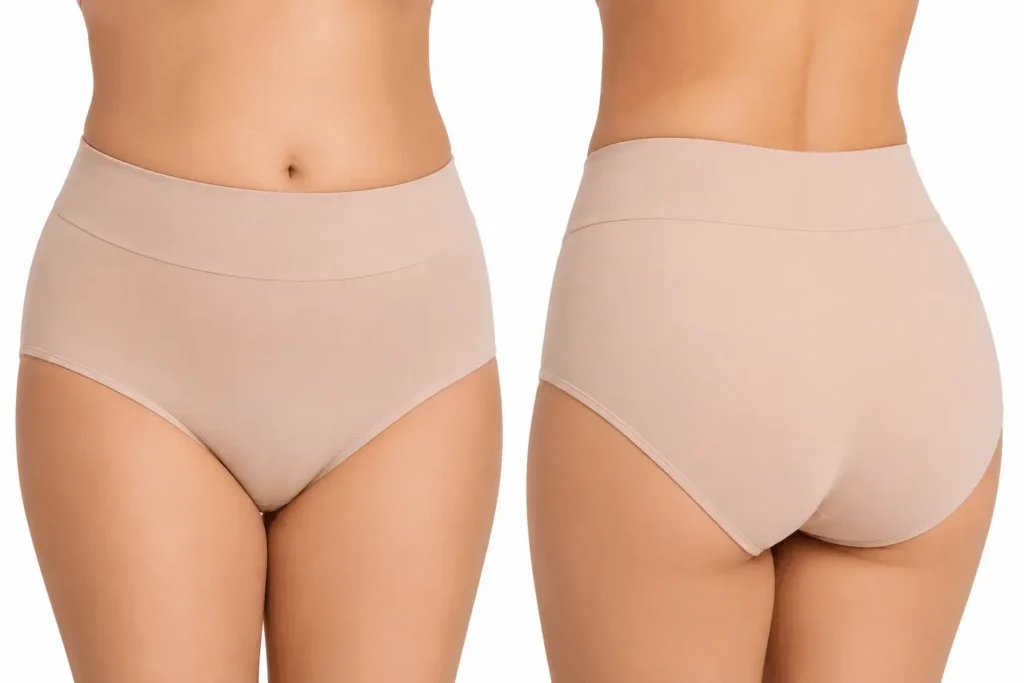
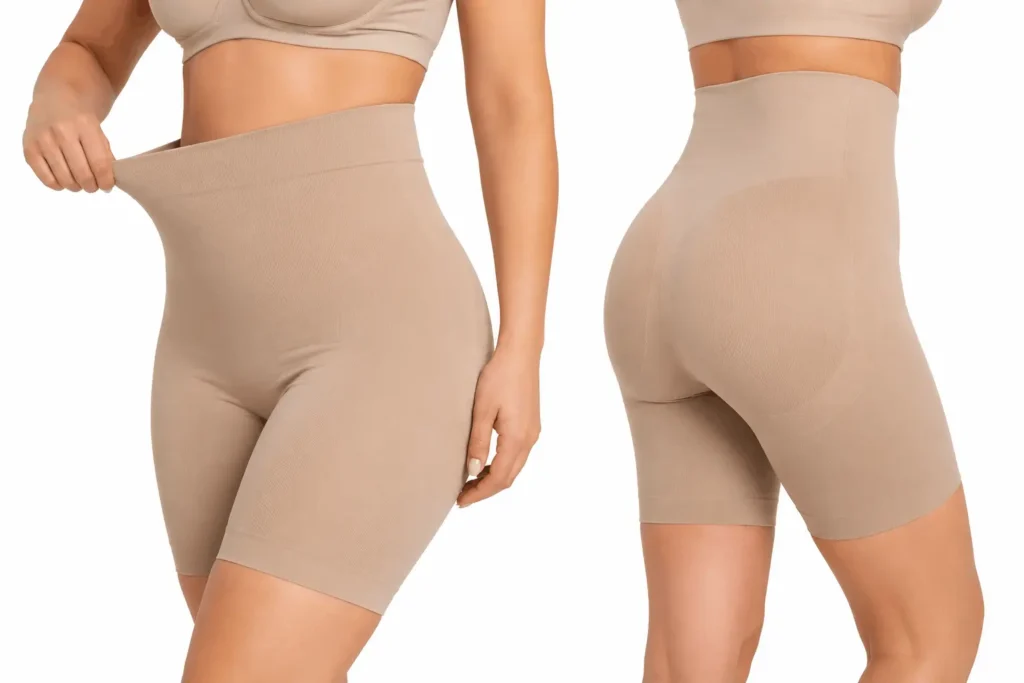
Supportive, high-waisted underwear
Supportive, high-waisted underwear with a wide, soft band prevents thin elastic from digging into the skin fold.
Quality shapewear
Quality shapewear can smooth the area and add light support under clothing without restricting movement, and our guide to the best shapewear for an apron belly compares the most comfortable options.

Tunics, wrap tops, and A-line dresses
Tunics, wrap tops, and A-line dresses skim over the lower abdomen rather than clinging to it.
Safe Exercise for Core Strength
Movement won’t erase the lower abdominal fold on its own, but regular, gentle core-strengthening exercise builds strength underneath it, improves posture, and eases lower back strain. Good starting points include pelvic tilts, modified planks, bird-dogs, and regular low-impact walking.
If diastasis recti is part of the picture, it’s worth having the muscle separation checked by a physiotherapist before adding intense core work, since some exercises can widen the gap rather than close it. Our full plan for Overhanging abdominal fold exercises, before-and-after, breaks down a safe, week-by-week routine, and our non-surgical reduction guide covers diet and lifestyle alongside movement.
Skin Care and Hygiene
Because skin rests against skin in the lower fold, this area needs a little extra attention to stay comfortable:
Keep the Fold Dry
Pat the area thoroughly after showering and let it air out for a few minutes before dressing.
Prevent Chafing
Prevent chafing under the belly fold with a barrier balm, cornstarch-based powder, or a moisture-wicking liner cloth.
Watch for Effects
Redness, itching, or an unusual smell usually point to friction or mild yeast irritation, both of which respond well to keeping the area clean and dry.
See a Doctor
See a doctor if a rash doesn’t improve within a few days or if the skin becomes cracked or painful.

Wondering What’s Realistic Long Term?
A lot of people want to know whether their Lower belly overhang will shrink with more weight loss, whether surgery is the only permanent option, or what real results actually look like. We’ve put together an honest look at real sagging abdominal skin before and after pictures, covering both non-surgical progress and surgical procedures like panniculectomy and abdominoplasty, so you can set expectations that match your own goals.
WHY WE BETTER
Why Understanding Matters
Learn the Difference
Understanding the difference between an Protruding lower abdomen and a FUPA helps you identify whether you are dealing with a hanging fold of loose skin or a localized layer of stubborn fat.
Body Science Explained
Learning how subcutaneous fat sits beneath the skin while visceral fat surrounds internal organs helps clarify exactly what shapes and affects your lower abdomen.

Real Expectations
Setting realistic goals helps you understand that while a healthy lifestyle safely reduces body fat, severely stretched skin and tissue cannot fully shrink back naturally.
Medical Awareness
Recognizing the difference between normal postpartum changes and issues like severe muscle separation or chronic skin irritation helps you know exactly when to seek professional medical guidance.
WHAT WE APPROACH
How It Works?
01
Identify the Cause
Determining whether your hanging tissue stems from pregnancy, weight fluctuations, or endocrine issues is the critical first step in choosing the right management plan.

02
Follow Natural Methods
Adopting healthy lifestyle habits like nutritious food, plenty of water, and safe core exercises helps reduce body fat while strengthening and supporting your lower stomach muscles.
03
Choose Advanced Option
If natural habits do not provide relief for severe loose skin, consulting a doctor about medical treatments like a panniculectomy or tummy tuck surgery can help eliminate the skin fold.
What People Say
This website really helped me understand what Belly overhang is and why it happens. Before, I felt confused and worried, but now I know it is normal and manageable.

I learned the difference between fat and loose skin, which changed my mindset. The tips about exercise and diet are simple and easy to follow.

I had Lower tummy pooch after pregnancy and felt very uncomfortable. The advice about care and prevention of rashes helped me a lot in my daily life.


POPULAR QUESTIONS
Asked Questions
It is caused by stretched skin and fat due to pregnancy, weight loss, aging, or hormones.
Exercise helps reduce fat and strengthen muscles, but it cannot remove loose skin. Full Guide
Yes, it is very common and completely normal.
FUPA is fat above the pubic area, while apron belly is hanging skin from the abdomen. Detailed Guide
Keep the area clean and dry. Use soft fabrics or powders to avoid irritation.
BLOG UPDATES
Our Latest News
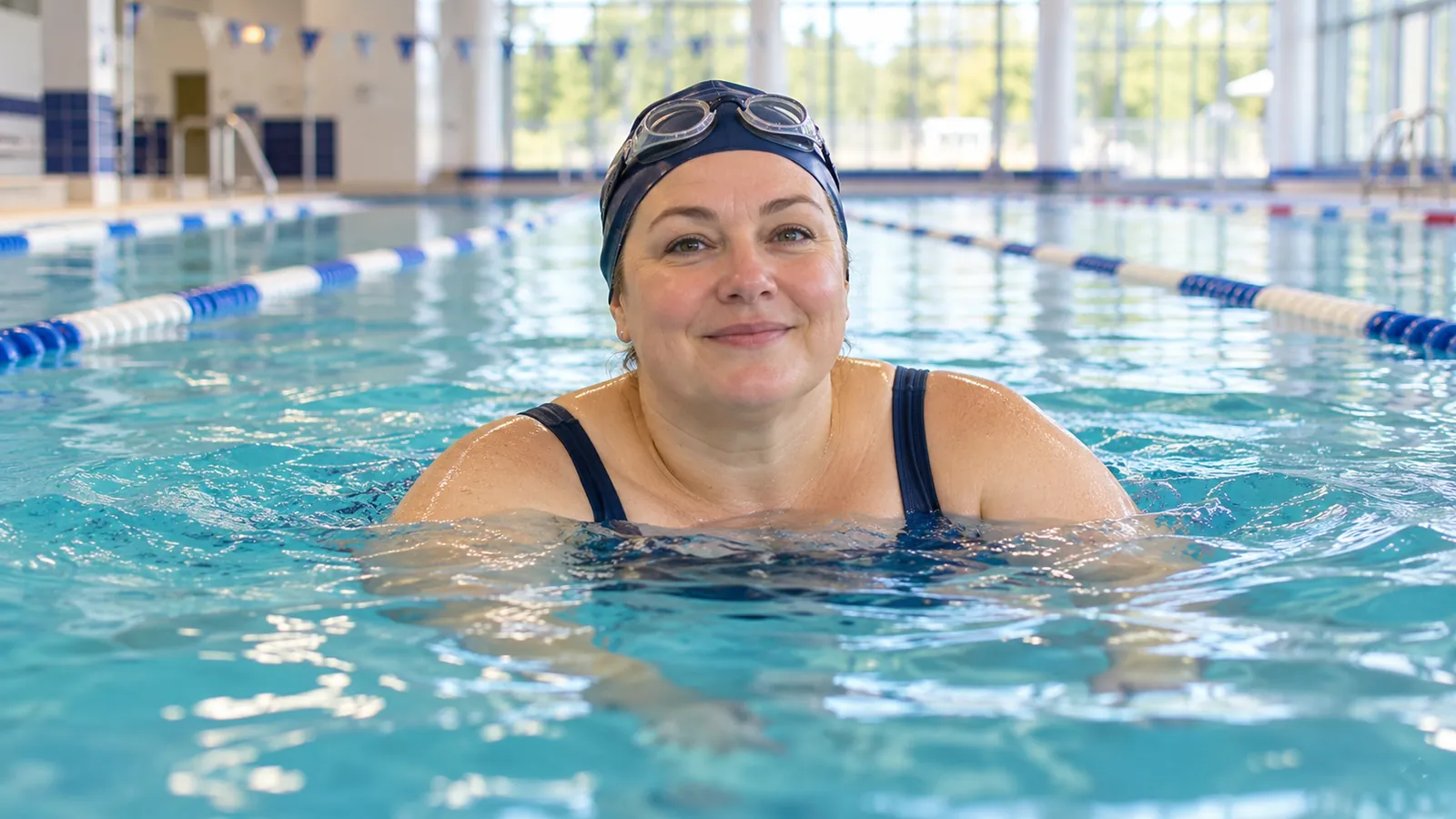
Swimming and Aqua Aerobics for Apron Belly: Low-Impact Workouts That Help
Water supports your weight, keeps you cool and adds gentle resistance, so swimming and aqua aerobics…
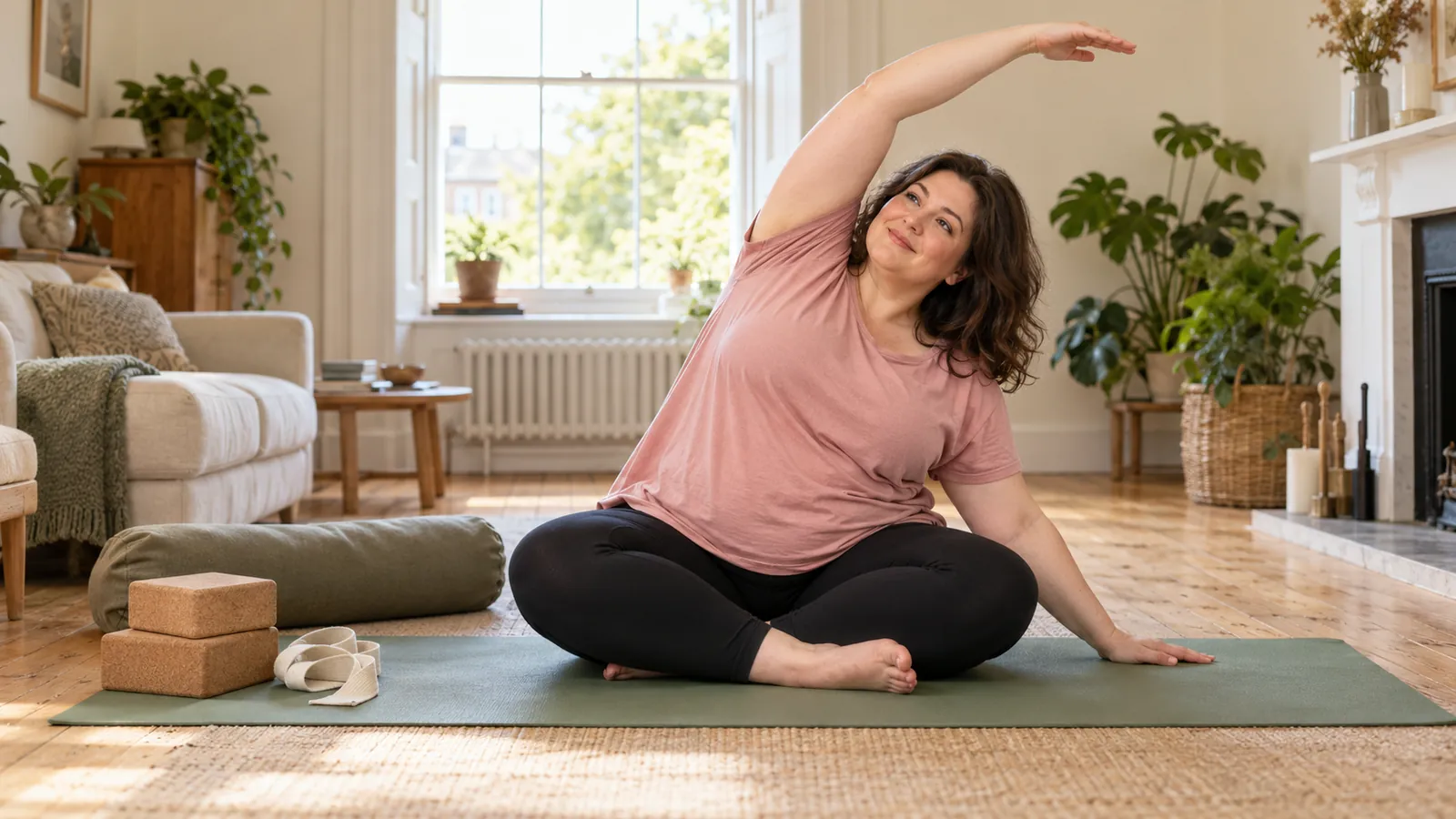
Yoga for Apron Belly: 12 Gentle Poses That Support a Heavy Lower Belly
Yoga cannot remove an apron belly, but gentle poses can build core strength, ease your back…

HRT and Apron Belly: Can Hormone Therapy Change Where You Store Fat?
Can HRT change where you store fat after menopause? Learn what the evidence says about HRT…